Skip to content






Tea for Low Progesterone Symptoms
Hormones rarely shout. They whisper first.
Sleep feels lighter. You wake at 3 am. Your mood shifts faster than usual. Periods feel closer together. Anxiety arrives without invitation. Skin reacts. Energy dips mid-afternoon. Many women who describe these patterns often experiencing low progesterone symptoms.
At Mother Cuppa Tea, we don’t claim to diagnose or treat conditions. We create carefully balanced herbal infusions that women use daily to feel steadier, calmer, and more comfortable in their bodies. This collection brings together blends women naturally reach for when their cycle feels unsettled.
Why do women choose herbal tea support?
Low progesterone commonly shows up as a pattern problem, not a single symptom:
- Trouble staying asleep
- Feeling wired but exhausted
- Short cycles or PMS intensity
- Restlessness in the evening
- Mood sensitivity before periods
- Brain fog after ovulation
Rather than stimulating the body, the goal becomes regulation and calm signalling.
That’s where a gentle Low progesterone symptoms tea routine matters. Warm liquids, adaptogens, calming botanicals, and mineral-rich plants give the nervous system consistent cues. Not a quick fix. A daily rhythm. We design our teas around that principle:
Steady input creates steady hormones.
Our approach at Mother Cuppa Tea
We don’t provide customised blends.
Instead, each tea fits a specific time-of-day hormonal need:
Morning → support resilience
Afternoon → replenish & stabilise
Evening → unwind & restore
Mental fatigue → refocus
This mirrors the natural progesterone rhythm, which relies heavily on the nervous system's calm and recovery sleep.
Which blends help Low Progesterone Symptoms?
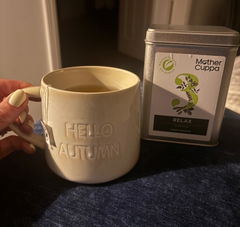
1. RELAX — Evening stability & sleep signalling
Most relevant blend for low progesterone symptoms
Ingredients
Rosehip (25%), Roasted Dandelion Root (18%), Pear Pieces (18%), Cinnamon (17%), Apple Pieces (11%), Orange Peel (3.5%), Puffed Quinoa (3%), Oat Flowering Tops (3%), Lavender (2%), Natural Flavouring
Why do women use it?
Progesterone is strongly linked to calming brain chemistry. When it drops, the brain stays alert at night.
This herbal tea for Low progesterone symptoms focuses on nervous system reassurance:
- Lavender encourages relaxation signals before sleep
- Oat flowering tops traditionally nourish the stressed nervous system
- Dandelion root supports gentle liver processing of hormones
- Cinnamon & rosehip support circulation and warmth
Women commonly drink this when they feel tired but are unable to switch off.
Practical use: evening routine tea after dinner or during PMS week
2. HYDRATE — Afternoon hormone buffering
Ingredients
Rooibos (55%), Desiccated Coconut (18%), Elderberries (15%), Elderflower (5%), Lime Leaves (4%), Freeze-dried Raspberry (3%), Natural Flavouring
Why it matters
Low progesterone often comes with increased cortisol swings.
Dehydration amplifies this.
This tea for Low progesterone symptoms focuses on mineral and fluid balance:
- Rooibos is naturally caffeine-free and gentle on the adrenal rhythm
- Elderflower & elderberries are traditionally used for inflammatory balance
- Coconut elements create a soothing, replenishing effect
Women often notice that afternoon anxiety or palpitations improve when hydration improves first.
Practical use: mid-afternoon instead of coffee
3. ENERGISE — Morning resilience without cortisol spikes
Ingredients
Ginger (30%), Hibiscus (16%), Apple Pieces (14%), Beetroot (10%), Rosehip (7%), Ashwagandha (5%), Lemongrass (5%), Peppermint (5%), Schizandra Berries (5%), Freeze-dried Cranberry, Orange Peel, Freeze-dried Cherry, Natural Flavourings
Why this helps
Low progesterone and caffeine dependency often coexist.
But caffeine raises cortisol, which can worsen hormonal imbalance.
This Best Low progesterone symptoms Tea alternative supports:
- Ashwagandha adaptogenic stress resilience
- Schizandra berries adapt to fatigue patterns
- Beetroot & hibiscus circulation support for energy
It gives lift without stimulation.
Practical use: replace the first coffee of the day
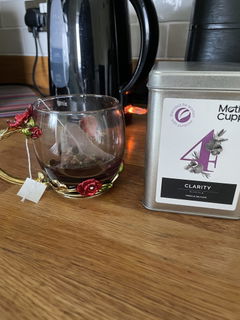
4. CLARITY — Brain fog & emotional steadiness
Ingredients
Apple Pieces, Hibiscus, Rosehip, Peppermint, Rosemary, Orange Peel, Ginkgo Biloba, Gotu Kola, Sage, Natural Flavouring
Why do women choose it?
Low progesterone frequently causes luteal-phase brain fog and emotional sensitivity.
This herbal tea for Low progesterone symptoms supports mental steadiness:
- Ginkgo biloba & gotu kola are traditionally linked to focus
- Sage & rosemary clarity-supporting botanicals
- Peppermint cooling and settling
Practical use: mid-morning or pre-menstrual week
How to build a daily tea routine?
Consistency matters more than quantity.
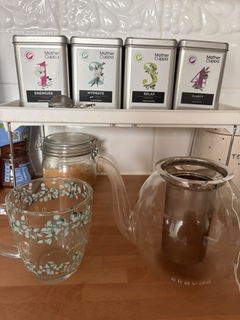
Morning: Energise
Afternoon: Hydrate
Evening: Relax
Foggy days: Clarity
Many women rotate rather than rely on one tea. Hormones respond better to rhythm than intensity.
What makes Mother Cuppa Tea different?
- Created specifically for women’s daily patterns
- Caffeine-free support rather than stimulation
- Time-of-day guided routine instead of a single “miracle” blend
- Designed for real use, not occasional remedies
- Works alongside lifestyle habits
Our teas are not medicine.
They are daily nervous system cues that many women find helpful for easing hormonal discomfort.
Choosing the right teas for Low progesterone symptoms
If starting simple:
Start with Relax + Hydrate
Then add Energise if mornings feel heavy
Add Clarity if brain fog appears
A gentle note
We are not medical experts, and our teas do not replace professional advice. We offer herbal blends that help women feel more balanced during hormonal changes.
Explore the teas above and build a daily ritual that supports you rather than pushes you.